
Author: Bryan Rogers
-
Esophageal Intubation in Trauma Resuscitation
by
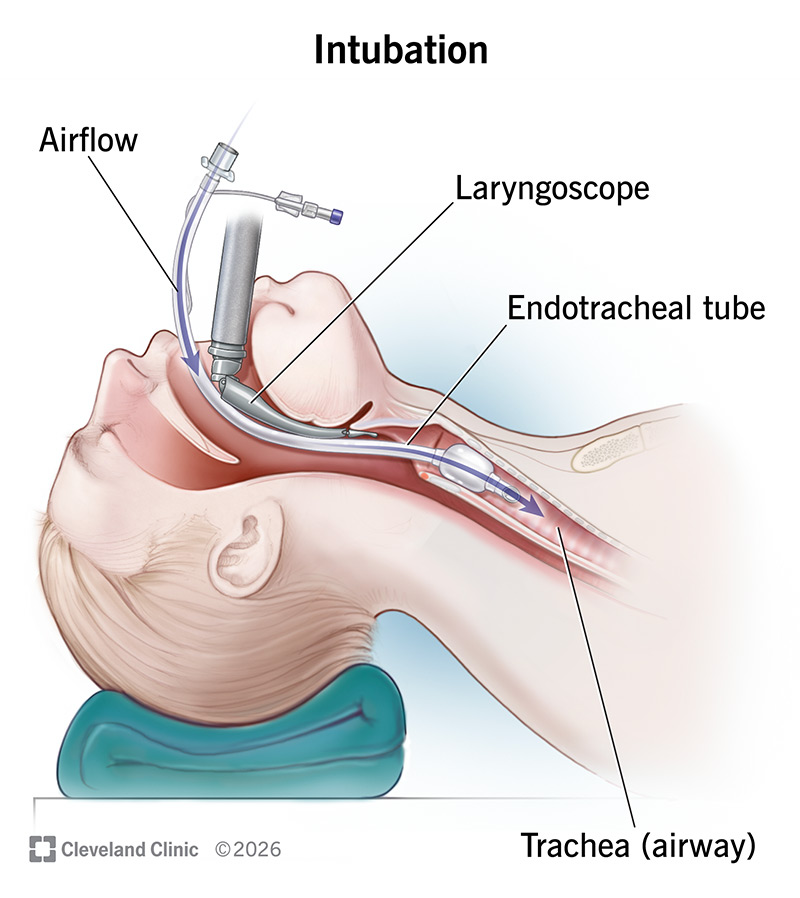
in LawEsophageal Intubation in Trauma Resuscitation A Case Analysis of Unrecognized Esophageal Intubation in a Penetrating Trauma Patient Case Law Index · Airway Management · Capnography TL;DR A 29-year-old male with penetrating gunshot wounds presented to the trauma bay awake and talking before suffering acute respiratory decompensation. During emergent airway control under emergency anesthesia, the attending…
-
Pulse Oximetry: How Arterial Saturation is Measured and Misread
by
Pulse Oximetry: How Arterial Saturation is Measured and Misread SpO₂ vs. PaO₂ on the Dissociation Curve, and the Optical Blind Spots That Corrupt the Reading Cardiovascular Physiology · Oxygenation · Spectrophotometry · Monitoring Pitfalls Background: Pulse Oximetry (SpO₂): a noninvasive spectrophotometric monitoring technique that estimates the arterial oxygen saturation of functional hemoglobin in circulating red…
-

Neostigmine
by
Neostigmine The Synaptic Shield Drug Spotlight · Reversal Agent · Acetylcholinesterase Inhibitor TL;DR Neostigmine is an intravenous medication administered toward the conclusion of surgery to awaken muscles from chemical paralysis. It functions as a reversible acetylcholinesterase inhibitor, which means it halts the enzyme responsible for chewing up acetylcholine . By shielding acetylcholine from destruction, it…
-
Remifentanil
by
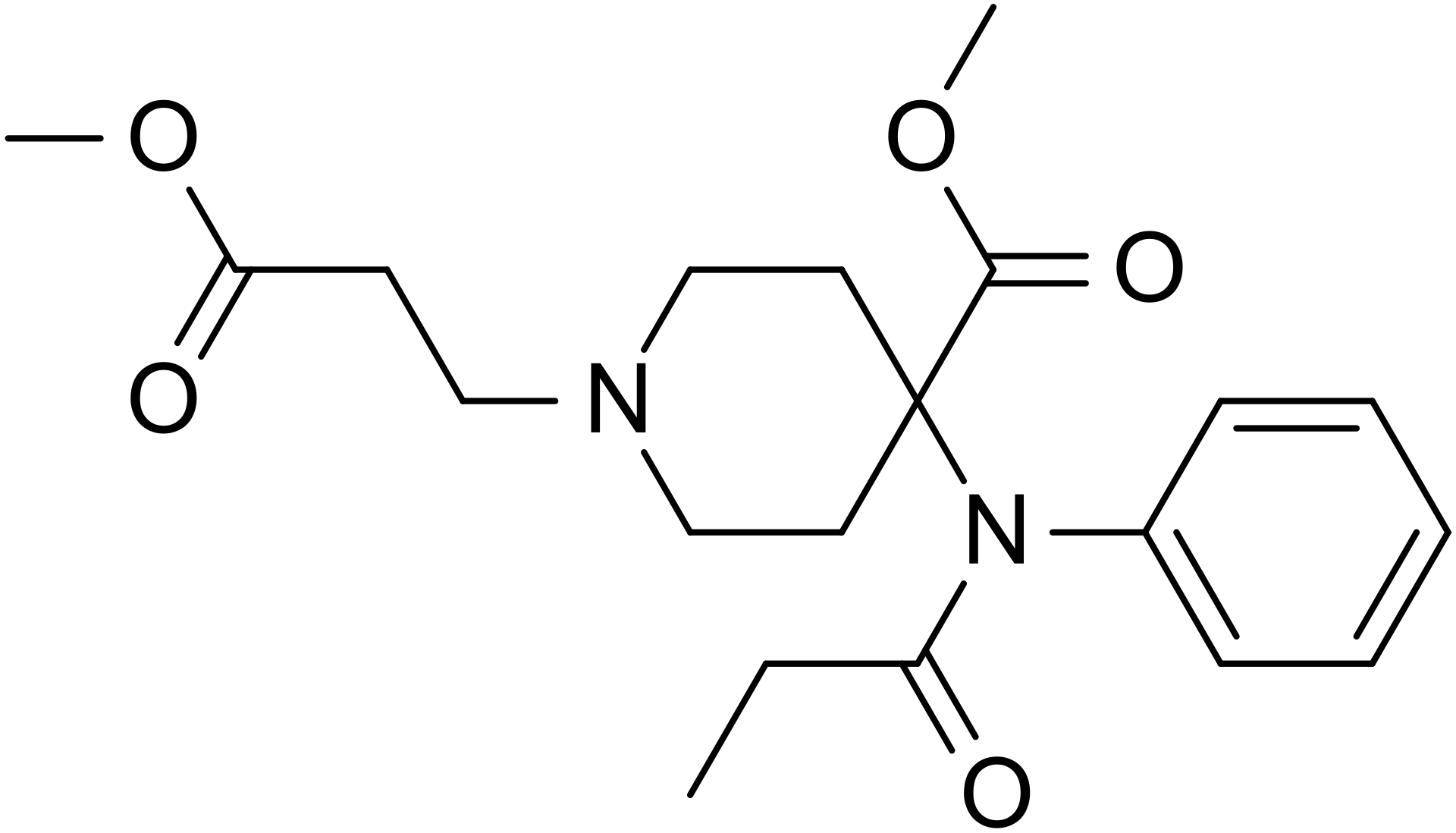
Remifentanil The Disappearing Opioid Drug Spotlight · Synthetic Opioid · Esterase-Cleaved Mu-Agonist TL;DR Remifentanil is an ultra-potent synthetic intravenous opioid that acts like a real-time dimmer switch for surgical pain, delivering roughly 100 to 250 times the analgesic strength of intravenous morphine. It works by binding selectively to mu-opioid receptors in the central nervous system…
-

Methohexital
by
Methohexital Rapid Sedation Drug Spotlight · IV Anesthetic · Barbiturate TL;DR Methohexital is a potent, ultra-short-acting intravenous medication used to put patients to sleep for very brief procedures. It works by keeping the brain’s inhibitory channels open longer, effectively shutting down consciousness in under a minute. It is uniquely famous in the modern era for…
-
Fentanyl
by
Fentanyl Drug Spotlight · Synthetic Opioid · Mu-Receptor Agonist TL;DR Fentanyl is the clear intravenous liquid you might see drawn up in an operating room. As I learn about pharmacology, it is fascinating to realize it is a lab-made synthetic opioid that is roughly 100 times stronger than morphine. It works by binding directly to…
-
Succinylcholine
by
Succinylcholine The Depolarizing Paralytic Drug Spotlight · IV Paralytic · Neuromuscular Blocker TL;DR Succinylcholine is an ultra-rapid paralytic drug that freezes every skeletal muscle in the body within 60 seconds. It works by flooding the neuromuscular junction to force a massive initial muscle contraction before locking the receptors entirely shut. This makes it the absolute…
-
Dead Space Fraction (Vd/Vt): Measuring Wasted Ventilation
Dead Space Fraction (Vd/Vt): Measuring Wasted Ventilation The Bohr/Enghoff equation, the ETCO₂ gradient, and tracking lung perfusion Capnography · Airway Management · Cardiovascular Physiology Background: Dead Space Fraction (Vd/Vt): the proportion of a tidal volume breath (Vt) that does not participate in gas exchange because it remains in the conducting airways or reaches unperfused alveoli.…
-
Fick Principle
Fick Principle Arteriovenous Extraction, Cardiac Output, and the Shift from Direct to Indirect Measurement Cardiovascular Physiology · Capnography · Case Analysis Background: Fick Principle: the physiological rule stating that the total uptake or release of a substance by the peripheral tissues is equal to the product of the blood flow to the peripheral tissues and…
-

Sevoflurane
by
Sevoflurane Sweet Sleep Drug Spotlight · Inhalational Anesthetic · Volatile Gas TL;DR Sevoflurane is the sweet smelling gas you breathe through a mask to safely drift off to sleep in the operating room. It works by depressing the central nervous system through multiple receptor pathways, rapidly changing the brain’s state of consciousness. Because it enters…